
Life Insurance for Smokers & Vapers: What Actually Counts as “Smoking”?
If you’ve used nicotine in any form in the last year, this affects your rate more than you might expect.
A lot of people assume “smoker” means someone who smokes cigarettes daily — and rule themselves out of “non-smoker” rates without realizing how broadly insurance carriers actually define tobacco use. Getting this wrong before you apply can mean either an unpleasant surprise or, just as often, giving up on coverage you can still get.
What Actually Counts as “Smoking”
Carriers are generally looking for recent nicotine exposure, not specifically daily cigarette habits. If you’ve used any of the following in the last 12 months, expect to be classified as a tobacco user during underwriting:
0 of 6 checked
If you checked even one box, budget for tobacco-classified rates when you’re comparing quotes — it’ll save you a surprise later in the underwriting process.
Why the Rate Difference Is So Large
Life insurance pricing is based on actuarial life expectancy data, and tobacco use is strongly linked to higher risk of heart disease, cancer, and stroke. That’s why smoker rates commonly run two to three times higher than non-smoker rates for the same coverage amount — it reflects a statistically shorter average life expectancy across the group, not a judgment about you individually.
You Still Have Real Options
Being classified as a tobacco user doesn’t mean you’re stuck with one rate everywhere. Carriers price tobacco risk differently, and some have more competitive “tobacco” rate classes than others — which is exactly where working with an agent who compares multiple carriers helps, rather than applying with just one company and assuming that’s your only rate.
What Happens If You Quit
If you stop using nicotine after your policy is in place, many carriers allow you to re-apply or request re-underwriting after a period of being tobacco-free (commonly around 12 months), potentially qualifying you for non-smoker rates going forward. It’s worth revisiting your policy if your habits change.
Let’s Find Your Actual Rate
We’ll compare tobacco-rate options across carriers instead of assuming the first quote is your only option.
Get a Free QuoteFrequently Asked Questions
Does vaping count as smoking for life insurance?
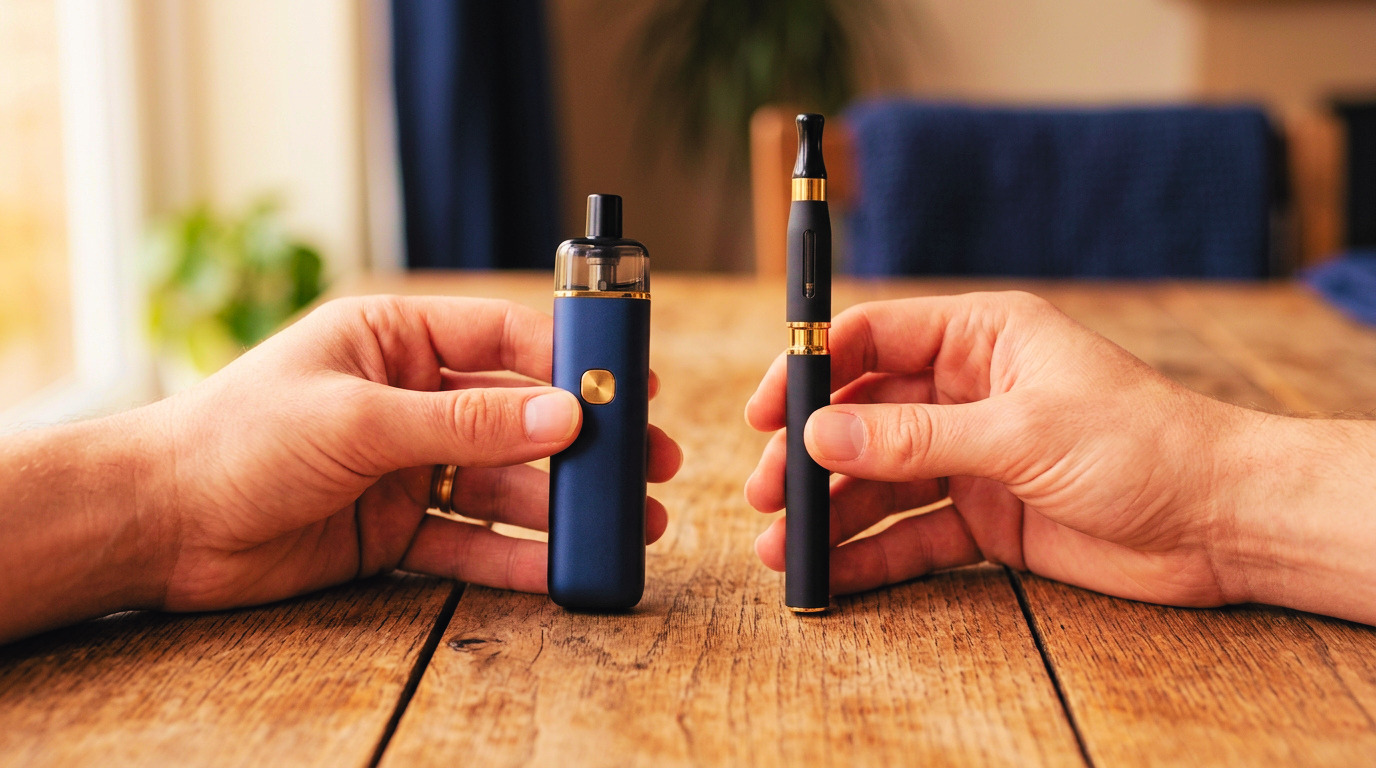
Yes, in most cases. Carriers generally classify vaping and e-cigarette use the same as traditional cigarette smoking, since both involve nicotine exposure.
Will occasional or social smoking still count?
Usually, yes — most carriers ask about any use within the past 12 months, not just daily habits, so even occasional use is typically disclosed and classified as tobacco use.
Can I lie about smoking to get a better rate?
No — this is a serious risk. Misrepresenting tobacco use on an application can result in a denied claim or a rescinded policy if discovered, including during a claim review after death. Honesty on the application protects your beneficiaries.
If I quit smoking, can my rate go down?
Often yes. Many carriers allow re-underwriting after a sustained tobacco-free period (commonly around 12 months), which can qualify you for non-smoker rates on future or existing policies, depending on the carrier’s process.
Curious how term life pricing works overall? See Term Life Insurance